Introduction
Brazilian cuisine is a vivid tapestry of flavors, textures, and practices that reflect the country's rich cultural heritage. From the dynamic roads of Rio de Janeiro to the peaceful beaches of Bahia, every area in Brazil uses a distinct culinary experience. This write-up, "From Rio to Your Plate: A Trip With Brazilian Dining Establishment Traditions," digs deep right into the body and soul of Brazilian food society. We will discover traditional dishes, cooking techniques, and the restaurant scene that celebrates this remarkable cuisine.
Brazilian Food: A Culinary Thawing Pot
What Specifies Brazilian Cuisine?
Brazilian food is a delightful mix of indigenous ingredients, African influences, Portuguese heritage, and immigrant contributions from Italy, Germany, Japan, and past. This fusion develops an array of tastes that are both comforting and exciting.
- Indigenous Payments: Indigenous components such as cassava (manioc), corn, and tropical fruits like açaí and guava are staples in numerous dishes. African Influence: Using spices and cooking methods brought by African servants has greatly affected Brazilian cooking. Recipes like moqueca (fish stew) exemplify this influence. Portuguese Heritage: Numerous typical meals attract from Portuguese dishes but have actually progressed gradually to integrate local ingredients.
Why Is Brazilian Cuisine So Unique?
The originality of Brazilian food depends on its regional variety. Each state boasts its very own specialized dishes based on neighborhood active ingredients and cultural influences:
|Area|Trademark Dish|Key Ingredients|| -------------|-----------------------------|--------------------------|| North|Tacacá|Jambu, tucupi|| Northeast|Acarajé|Black-eyed peas|| Southeast|Feijoada|Black beans, pork|| South|Churrasco|Numerous cuts of beef|
This table highlights simply a few examples of just how diverse and rich Brazilian food can be.
Exploring Regional Flavors
Northeast Brazil: The Land of Spices
In Northeast Brazil, food is zesty and vivid. Recipes are often identified by the use of flavors like dendê oil (hand oil) and malagueta peppers.
Signature Recipes from Northeast Brazil
Acarajé - Fried spheres made from black-eyed peas loaded with shrimp. Moqueca - A fish stew prepared with coconut milk. Bobo de Camarão - Shrimp stew with cassava puree.These dishes not just showcase the flavors however additionally reflect the area's background and culture.
Southeast Brazil: The Heart Beat of Urban Cuisine
Southeast Brazil is home to significant cities like São Paulo and Rio de Janeiro, where you can find a mix of contemporary cooking strategies with typical foods.
Iconic Meals in Southeast Brazil
Feijoada - A hearty black bean stew offered with rice. Pão de Queijo - Cheese bread made from tapioca flour. Brigadeiro - Chocolate truffles that are a must at any celebration.In these urban centers, you'll discover dining establishments celebrating both conventional recipes as well as cutting-edge handles classic dishes.
Southern Brazil: The Barbecue Capital
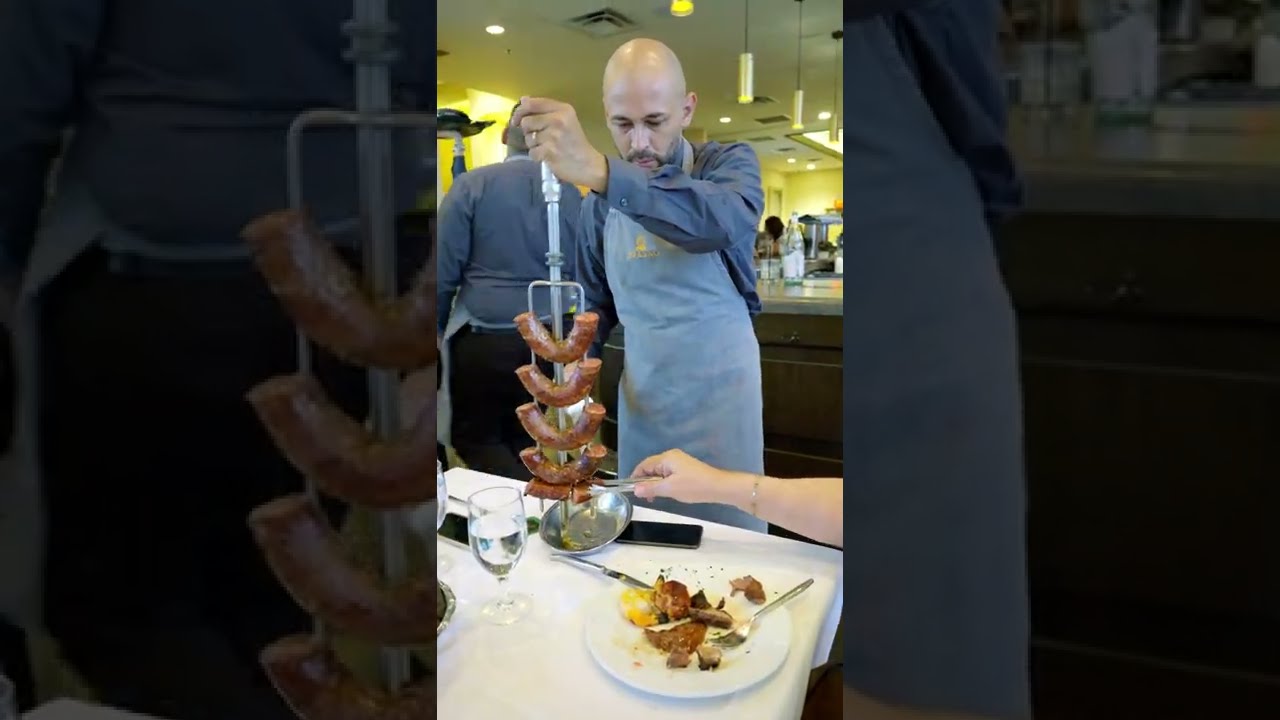
Southern Brazil is renowned for its churrasco (barbeque), which has ended up being a significant component of its culinary identity.
Churrasco Culture
- Various cuts of meat are experienced merely with salt before being grilled over open flames. Accompanied by sides like farofa (toasted cassava flour) or vinaigrette salsa.
The culture bordering churrasco frequently includes social gatherings where friends and family come together to enjoy great food and company.
From Rio to Your Plate: A Trip Through Brazilian Restaurant Traditions
Dining Rules in Brazilian Restaurants
When dining out in Brazil, there are numerous customizeds worth noting:
- It's usual to share recipes amongst guests. Tipping is appreciated however not mandatory; assembling the expense suffices.
Understanding these nuances will boost your dining experience as you relish authentic Brazilian food.
Types of Brazilian Restaurants
Brazil flaunts different kinds of https://mariobrnz103.lucialpiazzale.com/unleash-your-inner-carnivore-top-reasons-to-select-a-brazilian-steakhouse-for-your-next-group-celebration restaurants that satisfy various tastes and budgets:
1. Churrascarias
These specialized steakhouses offer endless skewers of barbequed meat straight at your table.
2. Botecos
Casual bars serving finger foods like pastéis (tasty pastries) along with beer or caipirinhas.
3. Great Dining
Upscale dining establishments that offer contemporary analyses of typical recipes using high-grade ingredients.
The Role of Street Food in Brazilian Culture
Street food plays an important function in daily life throughout Brazil's cities:
Popular Street Foods You Must Try
- Coxinha: Chicken-filled dough formed like a drumstick. Pão com Linguiça: Bread filled with sausage smoked on an open flame.
Street suppliers commonly create special spins on timeless dishes while maintaining rates budget friendly for everyone.
Vibrant Markets: Where Tradition Meets Modernity
Visiting neighborhood markets supplies insight into active ingredients used in standard Brazilian food preparation:
1. Mercado Municipal de São Paulo
Famous for its mortadella sandwich and fresh produce stalls.
2. Feira de São Cristóvão
A market dedicated to Northeastern culture featuring food stalls marketing local delicacies.
FAQs Concerning Brazilian Cuisine
FAQ 1: What are the staple ingredients in Brazilian cuisine?
Answer: Usual staples include rice, beans, cassava (manioc), corn, exotic fruits like mangoes and papayas, in addition to different meats such as beef and chicken.
FAQ 2: Is vegetarian food readily available in Brazilian restaurants?
Answer: Yes! While meat plays a substantial role in several dishes, many restaurants use vegetarian choices featuring beans, rice, salads, or vegetable-based stews.
FAQ 3: What treat should I attempt when consuming at a Brazilian restaurant?
Answer: Do not miss out on Brigadeiro! These chocolate truffles are prominent at parties yet additionally took pleasure in year-round as a wonderful treat.
FAQ 4: Are there any kind of health and wellness advantages connected with Brazilian cuisine?
Answer: Yes! Many standard recipes highlight fresh veggies, whole grains like quinoa or wild rice, lean healthy proteins such as fish or hen-- all contributing to a balanced diet regimen when consumed mindfully.
FAQ 5: Exactly how does one make authentic Feijoada?
Answer: Feijoada requires black beans simmered with different cuts of pork or beef for a number of hours; it's typically served with rice, collard eco-friendlies & & orange pieces for added taste & & nutrition!

FAQ 6: Can I locate vegan alternatives in traditional Brazilian restaurants?
Answer: While it might call for some browsing considering that many classic dishes include animal items-- some establishments currently offer vegan adaptations highlighting plant-based ingredients!
Conclusion
Embarking on this cooking trip via"From Rio to Your Plate: A Trip Through Brazilian Dining establishment Traditions" reveals not simply scrumptious meals however additionally the stories behind them-- the traditions passed down via generations creating community bonds around shared dishes. Whether you're delighting at great dining establishments or grabbing street treats from busy markets-- every bite tells a story interwoven within this huge land's rich tapestry-- a banquet waiting just for you!
So next time you have an opportunity-- whether dining out or trying your hand at cooking-- allow these experiences motivate your palate! After all-- it's not practically consuming; it's about connecting with culture & commemorating life with shared flavors!